If We’re Not Married by Thirty by Anna Bell

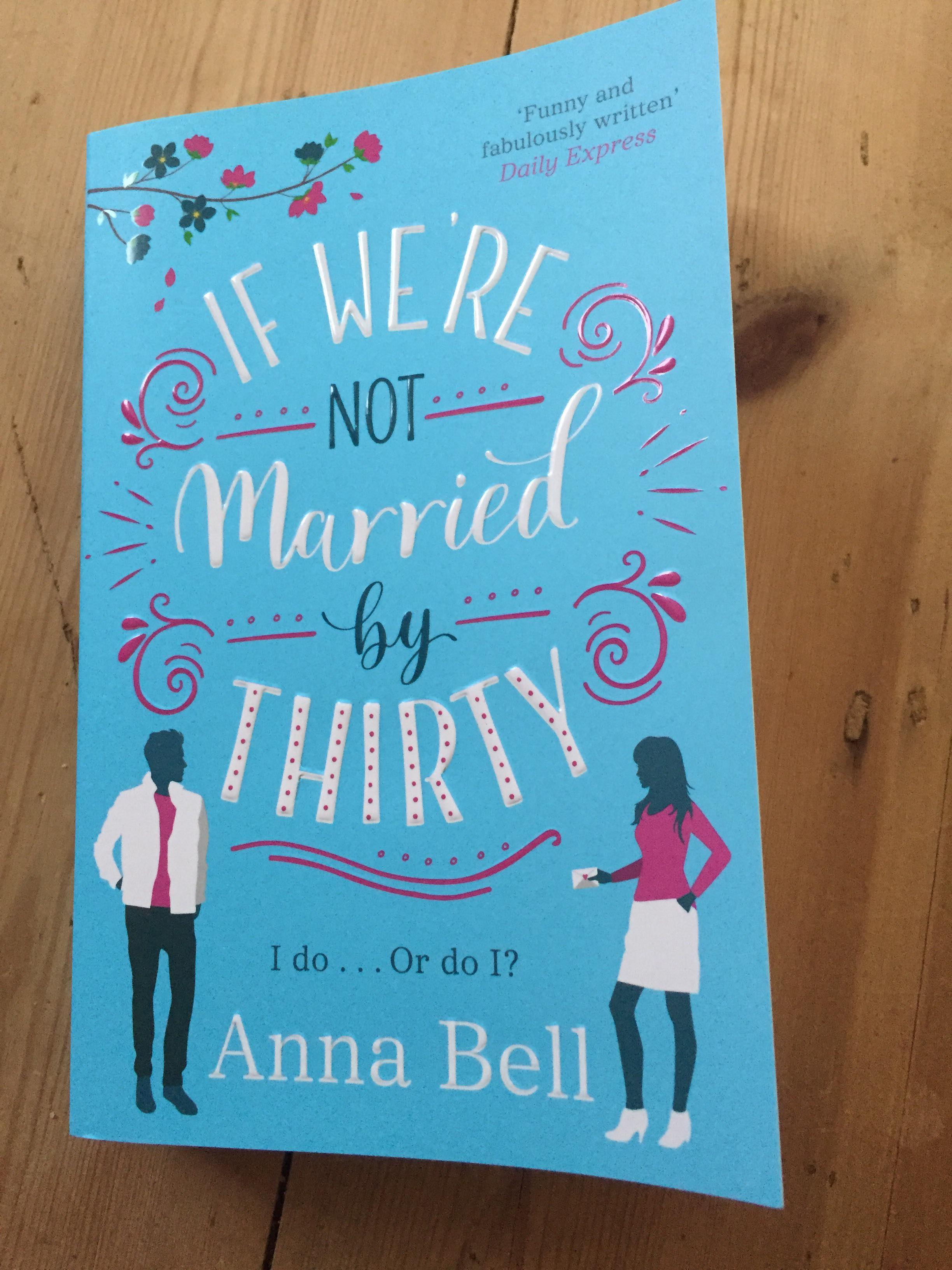
If We're Not Married by Thirty - Anna Bell

If you’re looking for a fun and uplifting read for the dark days of January If We’re not Married by Thirty by Anna Bell might very well be the book for you.

Lydia and Danny make a pact at a friend’s wedding – if neither of them are married by thirty they will marry each other. And here Lydia is, 30 and still single with a job that’s heading nowhere. Her friends are already settled and living life to the full so when she gets the chance of a free holiday to sunny Spain there’s nothing, and no one, to hold her back

Then, out of the blue, she bumps into Danny. Could Lydia’s back up man really be her happy ever after?

Will they? Won’t they? Should they?

There are shining performances by Lydia and Danny’s mothers, supporting characters that add great fun and levity to the relationship.

A brilliantly funny, romantic and effervescent read.   Perfect for fans of Lindsey Kelk and Sophie Kinsella.

Paperback  £7.99 

Published by Zaffre,

Anna Bell was a military museum curator, before turning her hand to fiction. She is the author of the bestselling novels, It Started with a Tweet and The Bucket List to Mend a Broken Heart and is a member of the Romantic Novelists’ Association’s New Writer’s Scheme. Anna lives in the South of France with her young family and energetic Labrador.


This Week’s Must Read: Vincent Van Gogh, The Ambiguity Of Insanity

Vincent Van Gogh’s turbulent and tragic life story is told with compassion and wisdom in Giuseppe Cafiero’s exceptional work of bio-fiction, writes Lucy Bryson.

By Lucy Bryson

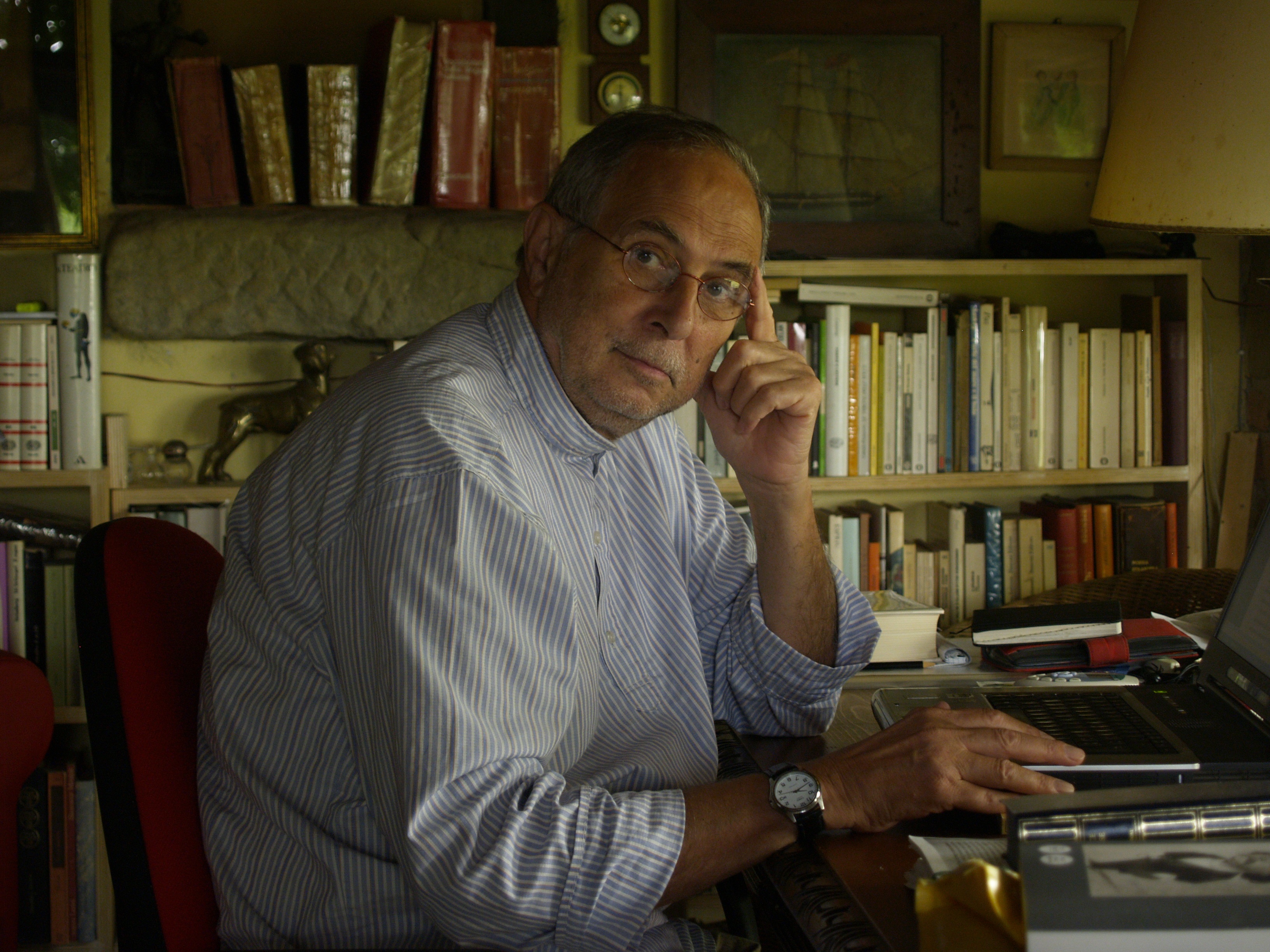
This fascinating audiobook from prolific writer Giuseppe Cafiero provides a nuanced account of the life and times of one of the greatest painters of the 20th-Century. It sheds fresh light on the ways in which the artist’s life and works were shaped by people, places – and by a dangerously obsessive personality.

Loosely based around the correspondence between Van Gogh and his brother Theo – here portrayed as one of very few constantly supportive figures in the troubled artist’s all-too-short life – Van Gogh, The Ambiguity of Insanity presents Van Gogh’s life as a fictional series of chapters, each shaped by a particularly meaningful woman and by the place where the Dutchman was living at the time. Cafiero creates a portrait of a man both proud and vulnerable, reclusive yet deeply desirous of emotional, artistic and physical companionship.

Beginning with his early life on the Dutch-Belgian border, born to a pious pastor father and staunchly religious mother in a “sterile, oppressive land, burdened with gossip, ill-feeling and sickness“, Cafiero goes on to present Van Gogh’s life in 10 chapters, each of which takes as a focus a specific woman – be she an unrequited love, a lover, family member, model or muse – who was instrumental in shaping the troubled artist’s life.

Cafiero’s audiobook paints a stark yet vivid picture of an obsessive, psychologically vulnerable man, prone to extremes of emotion that led him to dark and troubled places. He was, we learn, driven by obsessions, which were often seemingly at odds with each other: an obsession with religious piety; with erotic love; with redemption; with artistic perfection; with family ties and with friendship (Vincent is seen to be hugely emotionally affected by the collapse of his friendship with fellow artist Gaugin). Suffering the pain of rejection on numerous occasions (and often as a result of inappropriate fixations), Van Gogh was perhaps overly dependent on his more stable brother Theo, who supported him both financially and emotionally throughout Vincent’s turbulent life and until his premature death at the age of just 37.

But we discover that Van Gogh’s emotional and artistic life was shaped not only by the women he encountered, but also by the places he lived, studied and painted – from the glamour of Paris to the decay of London’s insalubrious back streets. Van Gogh travelled extensively in his 37 years, and was apparently deeply susceptible to external influences.

The book follows Van Gogh’s long and painful mental unravelling and his sad journey towards apparent suicide (it has never quite been an open and shut case, and some people still maintain Van Gogh was murdered…). As its title suggests, this book shows that ‘insanity’ is not a constant, easily identifiable condition, but rather a spectrum, and something that may be more or less apparent at different life stages. Cafiero’s passion for his subject matter is evident (as is his painstaking research) and he has taken care avoid sensationalism. 
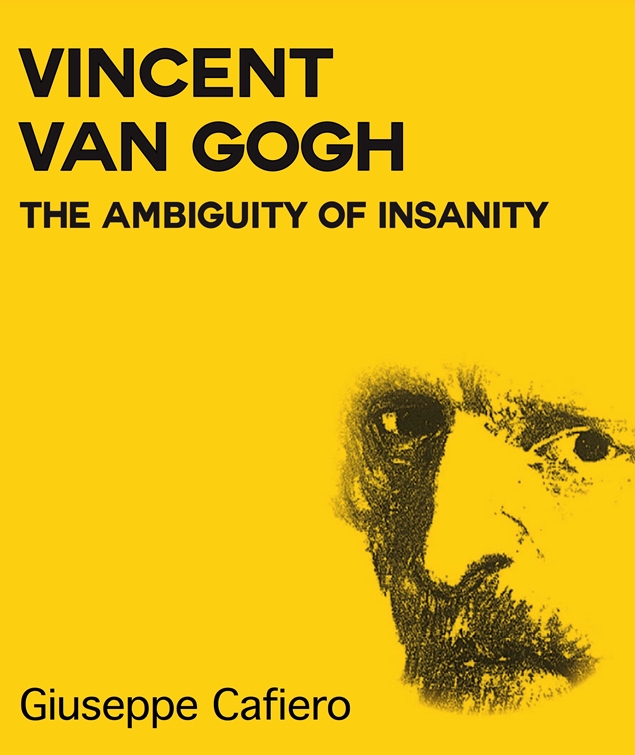
Vincent Van Gogh, The Ambiguity Of Insanity is a powerful, thoughtful account of a fascinating figure in art history. 

Vincent Van Gogh, The Ambiguity Of Insanity by Giuseppe Cafiero (Rowanvale Books), is out now as an audiobook on Amazon UK, Audible or iTunes.

Q&A with Italian author Giuseppe Cafiero

Giuseppe Cafiero is pioneering the ‘bio-fiction’ genre with meticulous research and masterful storytelling. Frost Magazine finds out more about what drives and inspires him, and his plans for the future.

Frost Magazine (FM): You have become known for your bio-fictional accounts of the lives of authors. What made you turn your attention to the life of an artist? 

Giuseppe Cafiero (GC): My main interest in the life of Vincent Van Gogh is in his humanity. In attempting to understand the man and his art, I have focused on the women and the places which played an essential part in his development. In my opinion, no previous biography has concentrated so specifically on these two factors, which I have used to provide the framework for my account.

FM: Van Gogh is more typically portrayed as the stereotypical ‘tortured genius’ – do you think that is an oversimplification? 

GC: Certainly. The vital factor in Van Gogh’s life was his obsessive determination to become a painter. It is impossible to understand man without investigating the nature of this obsession.

FM: How did researching the book alter your understanding of Van Gogh and his work (if at all) and did anything about his relationships or personality surprise you?

GC: I was surprised by the obsession as a subtle and tragic illness that inexorably consumed man. He was driven by a passionate determination to express himself through colour: above all with yellow as a symbol of life and spirituality.

FM: Who is the book likely to appeal to, and what do you hope readers will take away from reading it?

GC: The book is for lovers of Van Gogh and those who try to understand how madness can be a creative means. The long and painful progress towards suicide, the desire for extinction once madness turned out to be a painful companion and certainly not the source of hope.

FM: Why did you choose to base each of the chapters around a woman and a place in Van Gogh’s life? Was it a clear choice as to which females and locations to include?

GC: The book really focusses on Van Gogh’s obsessions: the obsession with redemption (his mission among the miners of Borinage and his relationship with Sien); the obsession with friendship (the failure of his relationship with Rachel in Arles); the obsession with a selfishly tormented spirituality (the relationship with the Kee Vos in Etten); the obsession with the sun of southern France (Madame Ginoux in Auvers); and the obsession with family love (her relationship with her sister-in-low Johanna in Paris).

FM: This title seems to have a more straightforward narrative than other titles in the Ambiguities series. Was this a conscious decision?

GC: Yes, of course. I had to tell the life of Van Gogh, the women he met, the places he frequented, the paintings he painted year after year.

FM: Van Gogh produced some of his finest works while his mental health was at a low (for example Starry Night). Do you think his mental health issues were integral to his genius as an artist?

GC: Van Gogh’s life was a moving struggle to find his way as an artist. He managed to express at the end of his life and through a tender and overwhelming madness, a pictorial proposition in which the colours are an unimaginable beauty.

FM: Are there any other titles planned in the Ambiguities series? And how would you summarise the series for readers who are not yet familiar with the books?

GC: Certainly. I have written books on the ambiguity of Gustave Flaubert, Edgar Allan Poe, Virginia Woolf and Mario di Sa Carneiro. Ambiguity is just a way of seeing some writers from a particular perspective: in their imagination and their desire for imagination.



WRITING IN THE NEW

Jane Cable sets out her plans for Frost for 2019…

Much as I’ve loved hosting Business of Books over the last couple of years, it’s definitely time for a change. Two changes in fact, but more of the second one later.

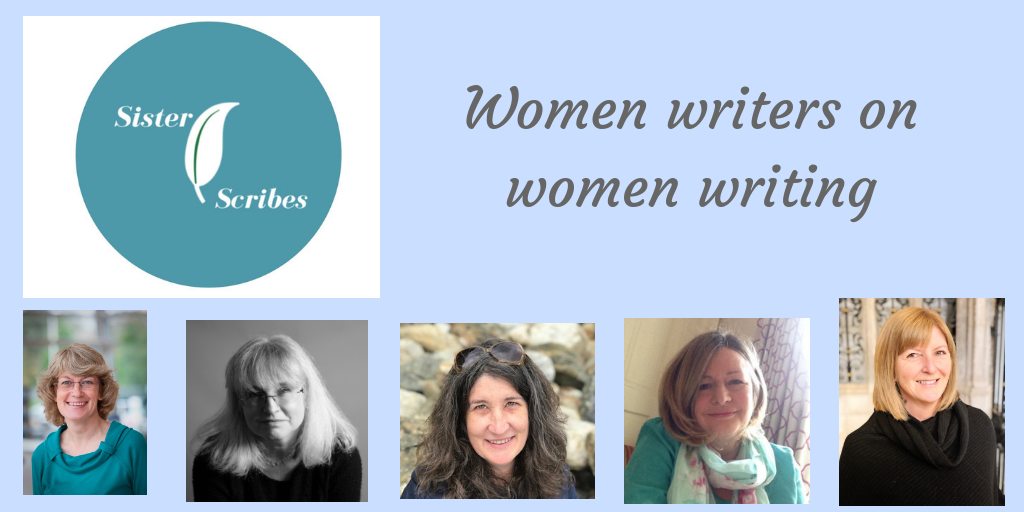
Readers with very good memories may recall that in the autumn I went on a mini retreat with four writer friends. It was a comment from Kitty that started it – just as we were leaving – she said we’d become sister scribes. So I began to ponder what that could mean.

The world over women are particularly good at giving other women support. We excel at cooperation, collaboration, sharing the champagne and handing out the tissues (or the gin). We celebrate, we commiserate, we coax, we cajole – in short, we are there for each other.

So this year I’m sharing my Frost columns with my Sister Scribes. Over the next few weeks everyone will introduce themselves, and in the coming months we will all introduce other sisters from the world of words; women whose contributions to our writing lives are important to us. Women who want to share their passion for writing for, by, and about women.

So, the Sister Scribes are:
Cassandra Grafton has her roots in Austen-inspired fiction and is a Jane Austen Literacy Foundation ambassador. Published by Canelo from this year.
Jane Cable is a long term contributor to Frost. Indie author published by Sapere from this year.
Kirsten Hesketh’s first novel landed her an agent. Hopefully a deal will follow soon.
Kitty Wilson walked straight out of the RNA New Writers’ Scheme into multiple offers. Writes hilarious romcoms for Canelo.
Susanna Bavin writes elegant, well-researched sagas. Published by Allison & Busby.

We met because we are all members of the Romantic Novelists’ Association, but that doesn’t mean the columns will all be about romance as our network of contacts spreads far and wide. Within the genre we cover a broad church, from sagas to romcoms and a great deal in between. There will be plenty of interest for readers and writers alike, with our first guests including my own long time buddy Carol Thomas on marketing collaboration and Cassandra’s co-author Ada Bright on what it’s really like writing together.

So that’s the first change. The second is an additional column on the last Wednesday of every month to replace the popular Take Four Writers. I will miss Angela, Claire, Jackie and Lucy but it’s time to offer a different perspective and I’m delighted that Sapere Books has offered to provide it.

Every month one of the Sapere team will give an insight into their publishing year. Editorial Director Amy Durant is as delighted about it as I am: “I am very excited to be offered this chance to give readers and writers a unique perspective into what life is like at Sapere Books. We are still a very new publisher and we have lots of exciting projects and developments launching this year – including publishing two of Jane’s books – so there will be plenty of news to share. As a small team we have the flexibility to change strategies at the drop of a hat, if something interesting pops up, so even I don’t know yet what I’ll be writing about in six months’ time, but I hope you will enjoy reading about Sapere Books’ journey in our second year of trading.”

So what will I be doing with all this extra time? I’m hoping I’ll be able to review more books for Frost and even branch out into travel and history related articles. Plus, as Amy has reminded me, I have two books out this year…


Kickstart your inner author: How to write a novel by next new year

By Tobsha Learner

Many of us dream of putting pen to paper and writing our first novel – so how can we make 2019 the year we actually do it? We asked bestselling historical novelist Tobsha Learner for her top tips…

  1. Study the masters: Before you begin writing, choose your favourite example of the genre you want to write and study it. Observe how the plot unwinds throughout the book. Make a graph noting how the subplots feed into the theme of the book and how they all build to the climax and conclusion. Look at how conflicts between characters and the obstacles they have to overcome creates tension. Note how specific characteristics make a protagonist believable… 
  2. Think about tenses and what they do psychologically to the reader before you begin writing: For example 1st person/present places them in the skin of your protagonist and moves them through the landscape right in the moment, the down side is that the description of other characters will always be through the protagonist’s eyes unless you jump tenses. Again look at your favourite books and note how the author is using tenses for different effects…
  3. Do your research – become a razor-sharp observer: For characterisation, interview and record for dialogue and specific characteristics (with permission of course). Get into the habit of eavesdropping and making notes, snippets of dialogue, psychological quirks etc. This will inspire and help build realistic and empathetic characters. For location, visit if possible, take photos, record sound, smell, and architecture. Everything to help create visceral landscape the reader can almost touch. If visiting a location is not possible, go on-line and collect images. On action/careers of characters – search out experts in that particular field and interview them. You’d be surprised how many will agree (with a promised thank you or reference at the back of the book). Just make sure you’re respectful and make it clear it’s for general atmosphere and not to use verbatim… 
  4. When you’re ready to start writing make your desk or writing place a sanctuary me-space. Make it somewhere you will end up yearning to sit and write at – define it with scented candles, fresh flowers, crystals…whatever triggers your creativity. Think about the colours and light around you that will help concentration – you don’t need a view, the view will be the world you’re creating on the page.
  5. Keep a notebook or recording device by your bed, office desk and in your handbag. Start collecting those amazing revelations or sentences that come to you first thing in the morning, in the middle of the night, a little drunk after a bad blind date…whenever it is, catch and immortalise that thought/phrase/idea. Inspiration strikes at the weirdest times, be prepared and get into the habit of collecting ideas, great phrases or snippets of dialogue you’ve overheard. You might not yet realise how you will use them in the future but a good part of writing is observation and you can do this anywhere.
  6. Be prepared to write many drafts: To over-write is better than under-writing. This allows you more choice as you hone down your narrative. Take time out between each draft to get a ‘clear eye’ on each re-write – this will give you more objectivity. I’m talking weeks not days. I call this fermentation time, and it’s important to resist the impulse to sit down and fix what you think is wrong with a draft immediately after finishing reading it… 

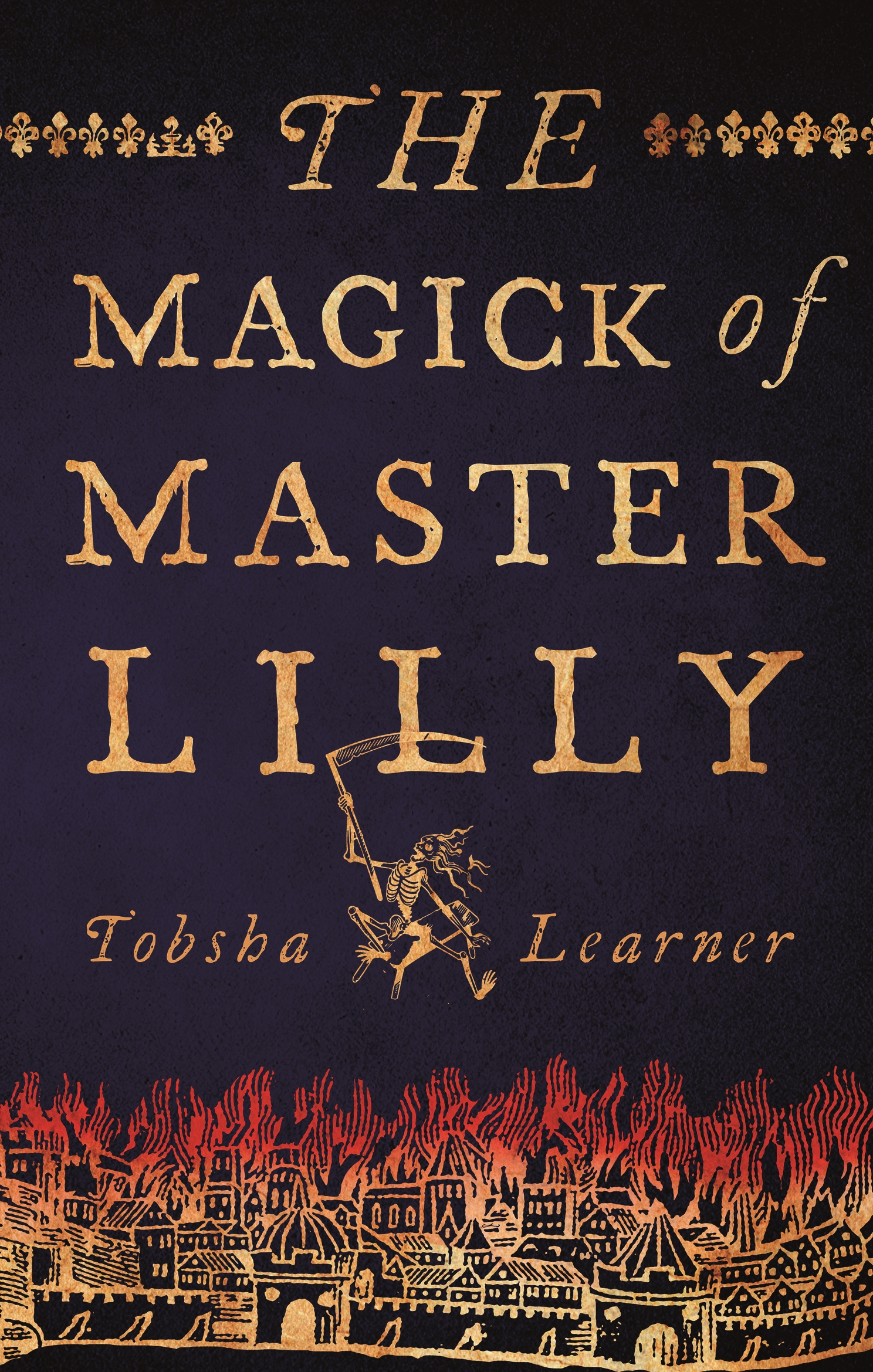
Tobsha Learner’s new historical thriller The Magick of Master Lilly is out now, published by Little, Brown Book Group, and priced at £8.99 in paperback and £7.99 in e-book. For more information visit tobsha.com


5 things that make Spain a paradise for tourists

The beautiful European country of Spain is famous for its beaches in places like Ibiza, art and architecture in cities like Madrid and Barcelona as well as food in towns like Seville. An interesting mix of art and culture make Spain a bucket list item for so many explorers around the world. You can easily book Spain Tour Packages from USA in case you want to check out the Spanish magic for yourself.

Read on to know about five things that make Spain a heaven for tourists from all over the world. 

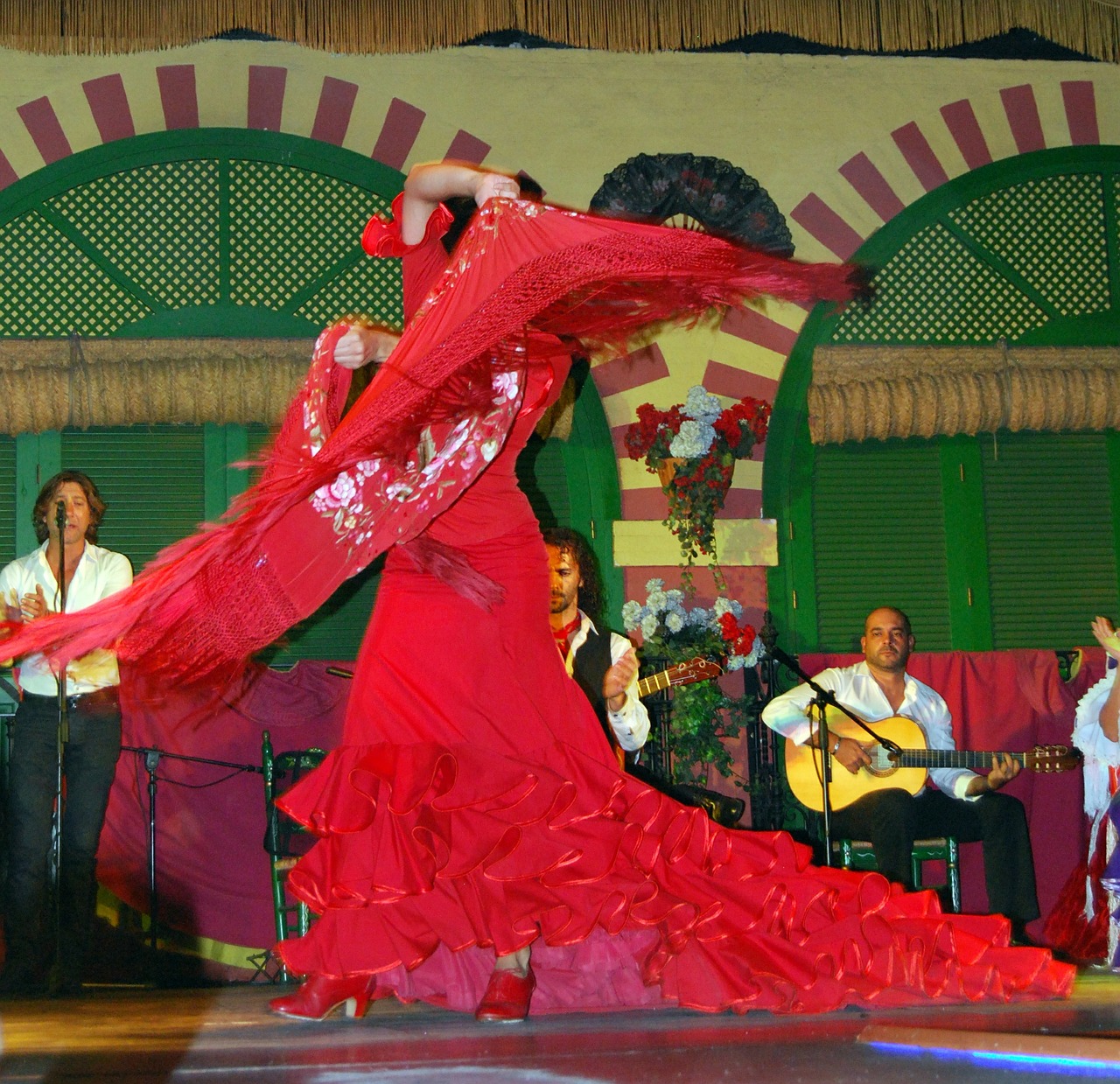
  1. Flamenco and other such gracious dance forms can only be witnessed in Spanish streets

One of the most sensuous and beautiful dance forms in the world – Flamenco, although known to be of Romani origin,  its sound remains authentically Spanish. A hit in the Andalusia region, this exotic dance form can be enjoyed in cafes and bars in cities like Seville. If you are a tourist, watching Flamenco artists live is one of those things that should feature on your bucket list for sure.

  1. Mouth watering food, especially tapas, does not get better than this!

Tapas originated from the country and took its place in cafes, restaurants and bars all over the world. Spread over a vast variety of food, popular tapas ingredients are Jamon iberico ham, cheese and bread. Available both in vegetarian and non vegetarian forms, tapas makes Spanish food significantly different. You can also try traditional Valencian dishes like Paella which contribute to the essence of Spain. 

  1. Art of Picasso, Dali and architecture of Gaudi

Spain is famous for its architecture and artists. Picasso, the famed artist, was born in Malaga and spent his childhood in Barcelona. Similarly, the popular surrealist painter Salvador Dali grew up in Spain. You can find both of their works in museums around Spain.

While discussing art in Spain, the most popular name is that of Gaudi, the architect whose distinct work style can be seen in numerous pieces and projects spread across Barcelona. Gaudi and his work is so iconic that some time back seven of his projects were declared UNESCO World Heritage Sites. 

  1. Some of the best Football clubs in the world

If you are a fan of football, the European version, Spain is one of the best places in the world for you. Home to international clubs like Real Madrid and Barcelona, the country is full of football fanatics. During the Spanish football league, La Liga, visiting the country and watching a match is an experience you should not miss out on. Apart from football, bullfighting too is one of the popular, but controversial, sports in the country.  

  1. Wines and Sangria make for exquisite dinners

Spain is the third largest producer of wines in the world. The vineyards here are some of the biggest in the world. The local wines are tasty and iconic. And in case, you love a glass of sangria with food, Spain is the country of origin for that as well. So don’t hold back and enjoy some of the best drinks in the world here. 

A vacation in Spain can be all these things and much more. So plan your trip soon and enjoy the Spanish culture and food to the hilt!


Sponsored Post.

BUSINESS OF BOOKS: TAKE FOUR WRITERS – BALANCING, SHINING, HURDLING, REFLECTING

The final word from our four writers and a heartfelt thank you to them all for sharing their writing years. Ladies – you’re an inspiration.

JACKIE BALDWIN: BALANCING

This month for me has been all about trying to balance the competing demands on my time between the day job, writing the first draft of my third crime novel and getting sorted for Christmas. My heart says write but my head says shop, clean and do the ironing! I have never been good at splitting my focus.

Tis the season to be jolly! I am a member of a wonderful crime writing community called Crime and Publishment in Gretna. Some of us are published whilst others are working on a first draft or at the submission stage.  After our Christmas meal we went round the table celebrating everyone’s writing wins, both big and small. It was heartening to hear how far we have come since our first year in 2014.

For me this time of year is always a time for reflection. To remember those people and animals who are no longer with us but lit up our lives, to be grateful for those who are still here and to think about where I want to direct my energies in the brand new shiny year to come.

It has been a pleasure to share my writing journey with you all this year. Wishing you all a very merry Christmas and a happy New Year.

ANGELA PETCH: SHINING

December Frost:  sparkly, ice-cold, sharp, and a fitting way to skate away from a year of monthly reports. I shall miss them: it’s been a way of focussing during quite a year.

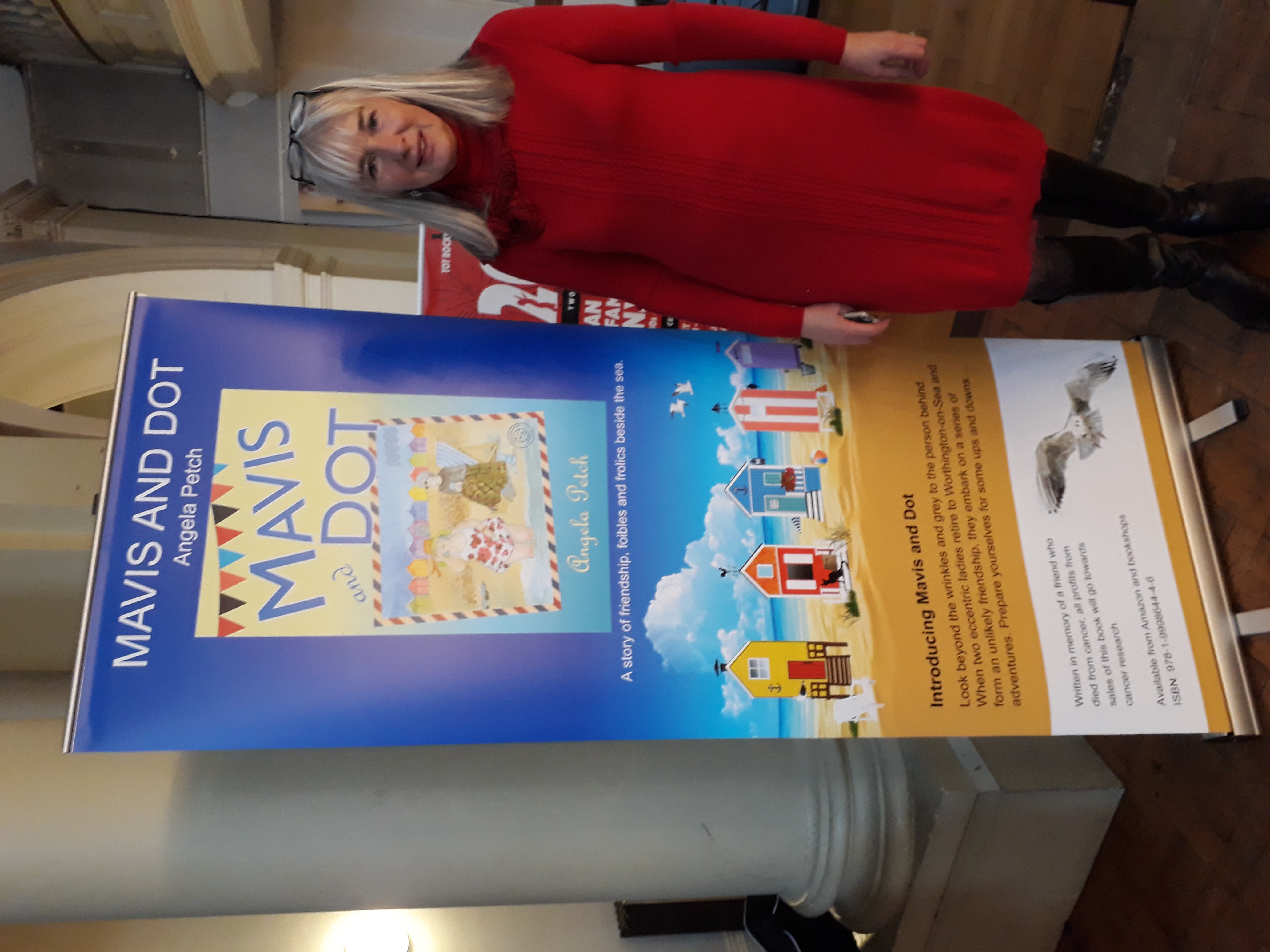
December 1st, I launched my self-published “Mavis and Dot”, and, promoted by a Blog Tour, it’s going well. My shiny new banner helped pull in interested readers. On the following Saturday, I manned a successful book stall outside Arundel Cancer Research Shop. All profits from M and D are destined for this charity.  A sequel has been requested; I’m thinking up scenarios for the two ladies.

Edits for Bookouture are 99% done for the first Tuscan novel commissioned for Spring 2019, (no title yet), and I’ve written a couple of chapters for the second. The rest is in my head. This year I will pin to paper.

Thanks so much to Jane and my trio of friendly authors. New friendships made, new goals formed. Good luck to us all, happy Christmas and 2019.


CLAIRE DYER: HURDLING

So, another year has gone by and I’m definitely a year older, but no wiser I fear!

Some highlights have been (in no particular order): my kids are doing OK; Mr Dyer is well and busy; my cats are still my friends; my novel The Last Day was published and I’ve been working on another two books since which has been both a challenge and a joy; it looks like there may be a new poetry collection in 2021.

Some lowlights have been (in no particular order): my mother’s dementia; the state of the nation; I don’t seem to be ageing like Dame Judi Dench, more like Ena Sharples; Hollywood still hasn’t called to offer to make my book into a movie!

And, as ever, there have been hurdles as is the case of the writer’s life. No sooner are we over one, then another appears. Sometimes they trip us up; sometimes we sail over them, landing gracefully on the other side a bit like a gazelle. And, as ever, there’s no saying which the next one will be as I sit here at the year’s end with the echo of the starting pistol and the crowd’s roar in my ear.

LUCY COLEMAN: REFLECTING

As the year draws to a close it’s a time when I reflect upon the highlights and low points of my working year. But more importantly it’s when I set new goals for the year ahead.

It has been my second most successful year as an author to date, for which I’m incredibly grateful. Hitting the no. 5 spot in the UK Kindle chart with ‘Snowflakes Over Holly Cove’, my second novel writing as Lucy Coleman, was beyond any dream I ever had. The goals I set are never about the results, but about the work required to keep honing my skills.

My goal for 2018 was to write four new books. Tick. And the first novella in a new little project with a new pen name. Tick.

My goal for 2019? Four new books and the second novella.

I write because it’s my passion and I write from the heart. The happiness and fulfilment is in the creation, because it is a little like the lottery. In this case fate is in the hands of the legion of wonderful reviewers and readers who choose your book. And that’s humbling.

Wishing everyone a 2019 filled with happiness, love and good health. And to the incredible Jane Cable and my fellow writers, you are all an inspiration!


Exclusive Paddy Ashdown Interview ‘I Am Devoted To The Liberal Democrats’

Here is part three of our exclusive Paddy Ashdown interview. Take a look at part one and two.

That’s a good answer. In your diaries you are clear about how close you were to Labour before and after the ’97 election, and that PR was the price of coalition. Given that the Lib Dems eventually went into coalition with the Tories, with just a promise of a referendum on AV, how do you think events would have unfolded if you’d accepted a similar deal in ’97?”

I don’t know. I mean I can’t take you through the what would have happened parts of history. I suspect the circumstances would have been very different if we also had the referendum on a sensible system rather than a lesser sensible one. I don’t think you would have had the leading party in the country at the time deliberately doing what they could at the time to destroy the motion and the national newspapers at the time supporting them. That is the ‘what would have happened’ bits of history and we could all spend hours deciding how the world would be different  if Britain hadn’t won the battle of Waterloo; It’s very interesting but it doesn’t bear much relevance.

Paddy_Ashdown_3You also said in your diaries that you were worried that the party would start with Gladstone and end with Ashdown, what do you think was your greatest achievement as the Liberal Democrat Leader?

I have never ever believed that I am a good judge of my own achievements, I leave that to others to decide on what your achievements are. I was very proud to lead the Liberal Democrats for eleven years, I loved it, I am devoted to them. I was also very proud to be the International High Representative in Bosnia for the British Government.  No doubt I made mistakes in both of those jobs, probably quite a lot of them. When you have the privilege of doing jobs like that you can use it to your advantage and I quickly realised what I was good at and what I was bad at.

What do you think will happen with the Liberal Democrats in 2015?

I actually think all the polls now are wrong. I have to rely, as I always have done, on the good judgement of the british electorate, I think we have a good story to tell, we have been in government, everyone said we couldn’t do it. I think we have been more united than the Tories, tougher than the Tories, and played a really serious role in bringing our country through a crisis. If I know the British electorate at all well, when the moment comes, I think we’ll reap the dividends of that. I also think that the British electorate probably, having had the benefit of the coalition may not be very happy returning to absolute power in anybody’s hands. Also, having a coalition of some sort forces people to work together instead of spending all their time scratching each other’s eyes out. Maybe that is a much better system than what we had in the past. Those two things will help us I think.
Who Is Your Favourite Politician?

I think as someone said to me; ‘Who is my hero?’ and I said William Wilberforce who is as unlike me as you could possibly get, apart from Gladstone of course, who is the greatest Prime Minister this country has ever had both internationally and domestically, he was a man who said, “We did not march across the law of anti-slavery, we did not march towards a monument in the distance, we gathered friends like flowers along the way.” and I think he was an extraordinary politician.

Do you think we should have intervened in Syria?

No, I don’t. I’m against intervening in Syria while the opposition is so fractured and defused. Anyways, they’re being funded by extremist elements and encouraging extremist elements so, no, I thought that would lead us towards an engagement in what I think is a widening religious war. I did however think we should intervene in defense of one of the principles pillars of international law; a prohibition on the use of chemical weapons that has stood since 1926 and strained even Hitler and Stalin, and I thought that unless we were prepared to show strength to Assad, not by intervention because we wouldn’t have done, but there was a price to pay that was painful for breaking this principle of international law, then it would only have encouraged the wider spread of chemical weapons. So, no, I don’t think we should have intervened in Syria but I do think we should defend International Law and indeed one of the most important pillars of the international law that preserves some semblance of civilised behaviour in the prosecution of wars.

You testified against Slobodan Milosevic. Was that scary?

No, it wasn’t scary. It was more scary being bombarded by his troops. I mean, I testified about being in the middle of the Albanian villages when they were being bombarded by the main battle units of his army, that was much more scary.

I can understand that. You have done a lot of different things in your life. What is your favourite?

I think there is nothing I’ve done that will match my sense of pride of being a member of parliament for my own community of Yeovil. There is no thing you could ever do that matched being the representative in Westminster of the community you live in and love. So if somebody said you can have one line to put on your gravestone it would be ‘Member of Parliament for Yeovil’.

What was it like being an intelligence officer?

I was a perfectly ordinary diplomat

What is the best advice you have ever received?

Never stop learning.

Thank you Paddy.

 What do you think?

Exclusive: Paddy Ashdown On Clegg, The Tories, The Liberal Democrats & The NHS

Part two of our Interview with Paddy Ashdown. Here he talks about politics. Part three will be up tomorrow. Let us know what you think. Part one, where he talks about writing and his books,  is here.

Do you mind if I ask you some political questions as well?

No, go on.

Would you prefer the Liberal Democrats to side with Labour at the next election?

That is a matter not for me or my preference but it is a matter for the British electorate voting in the ballot box.

Do you think Nick Clegg has been true to liberal values?

Absolutely. I think he is remarkable. I think he is…I am devoted to the man, I think he is one of the most brilliant politicians in Britain today. Hugely, publicly, under-rated. He’s got very, very good judgement. He’s got extraordinary courage and he is a liberal down to the marrow of his bones. So I think he’d undoubtedly make the best Prime Minister that you could have today.

He has a very hard job. Doesn’t he? 

It’s a thankless job. I did it for eleven years and let me tell you it is the most thankless job  because you represent the only philosophy: liberalism, that makes any sense.

He has it tough because generally people don’t seem to like the Tories

No they don’t like the Tories and I don’t like them either. I spent my life fighting them. If the public elects a coalition where the only coalition that can have a majority in the House of Commons inherently, mathematically, adds up to ourselves and the Tories do they really want people that don’t listen to them?, the public democratic view. And you better ask yourself what they like best. Do they really like the complete and utter corrupt mess this country was left in by Labour, which would have bankrupted young people for the next twenty years or do they like two parties that put aside their differences for the national interest and work together to get us out of the worst recession we have had since the 1930s and back on the path of growth. Which of these two would you prefer?

I agree with that, Labour left the country in a very big mess.

Absolutely. People have likes and dislikes in politics and what I’m interested in is doing what’s right for my country. That is what I have always been interested in and if the Liberal Democrats pay an electoral price for that, and I think they will by the way, if they did, if I was doing what I believed to be right for my country and helping it out of a crisis then I am proud of that and that’s what politics is for.

Do you think the Liberal Democrats made an error over tuition fees?

Yes, they made an error by promising it when it couldn’t be delivered. We’ve been in opposition for a hundred years, we haven’t been in government, so of course from time to time decisions which were driven to a certain extent by opportunism. I said at the time that we were making a promise that I didn’t think in the economic climate could be delivered. If we had been in government by ourselves I think we might have decided to sacrifice other things in order to deliver what we promised but we weren’t in government, we were in coalition. So, no, neither parties manifesto has been in operation. Both parties have had to make some compromises. I don’t call that anti-democratic. I call that the operation of democracy.

Do you think the NHS is being privatised?

What concerns me more than anything else isn’t who owns the NHS but how the public is served. How the citizen is served. For instance, even under the last government, under Mr Blair’s government, I had to have some health checks done and I went to a private organisation run under contract from the health service as an alternative means of delivering health services, that is; free at the point of delivery health services, and they did a wonderful job. Now I could have gone to a health service hospital, it’s all paid out of our taxes, it’s all paid by the national health service. One of those organisations was privately run, one was publicly run. It doesn’t matter who runs it. I don’t believe in private health but if there is a private provider providing to the health service under health service conditions and they can do it better for the costumer, then that is surely what you want. I mean I don’t believe the argument that says private/public is the necessary argument. I am strongly in favour of public services being offered free at the point of delivery and paid for on taxation, but who actually runs the organisation that delivers it is far less important to me than how well the citizen is served.

I agree with that. That is a question we get asked a lot but I got an MRI on my back and it was done through the NHS via a private company and they did an amazing job. Very professional, very quick.

Yes, that’s right. If you had a monopoly public service I don’t even think it would be a better public service. It needs competition. It makes people live up to the mark. I bet you there were more people abused and receiving bad service and ignorant service when the NHS was a public monopoly. I don’t believe in public monopoly. I believe in things being paid for either by taxation, free at the point of delivery but then who does that?, providing it is subject to inspection and national control is a matter of irrelevance.